Testing relationships involves a range of DNA assays aimed at confirming biological connections among people. Such services are especially valuable in delicate scenarios like paternity disputes, exploring family connections, or verifying a child's ancestry. The process for testing is simple, and the outcomes frequently serve purposes in legal, medical, or personal matters.
As the number of testing facilities expands, options such as the are helping individuals seek clarity in their connections, making trustworthy assistance more accessible. Knowing the various tests available is crucial for making well-informed choices read more.
Exploring Different Types of Relationship Testing
Understanding the array of relationship testing options available is crucial for anyone interested in genealogical connections. The primary tests you’ll come across include paternity DNA testing, sibling DNA testing, and grandparent DNA testing, each designed to serve specific relational inquiries. While the underlying science is similar, the approach varies based on what questions you are trying to answer regarding family ties.
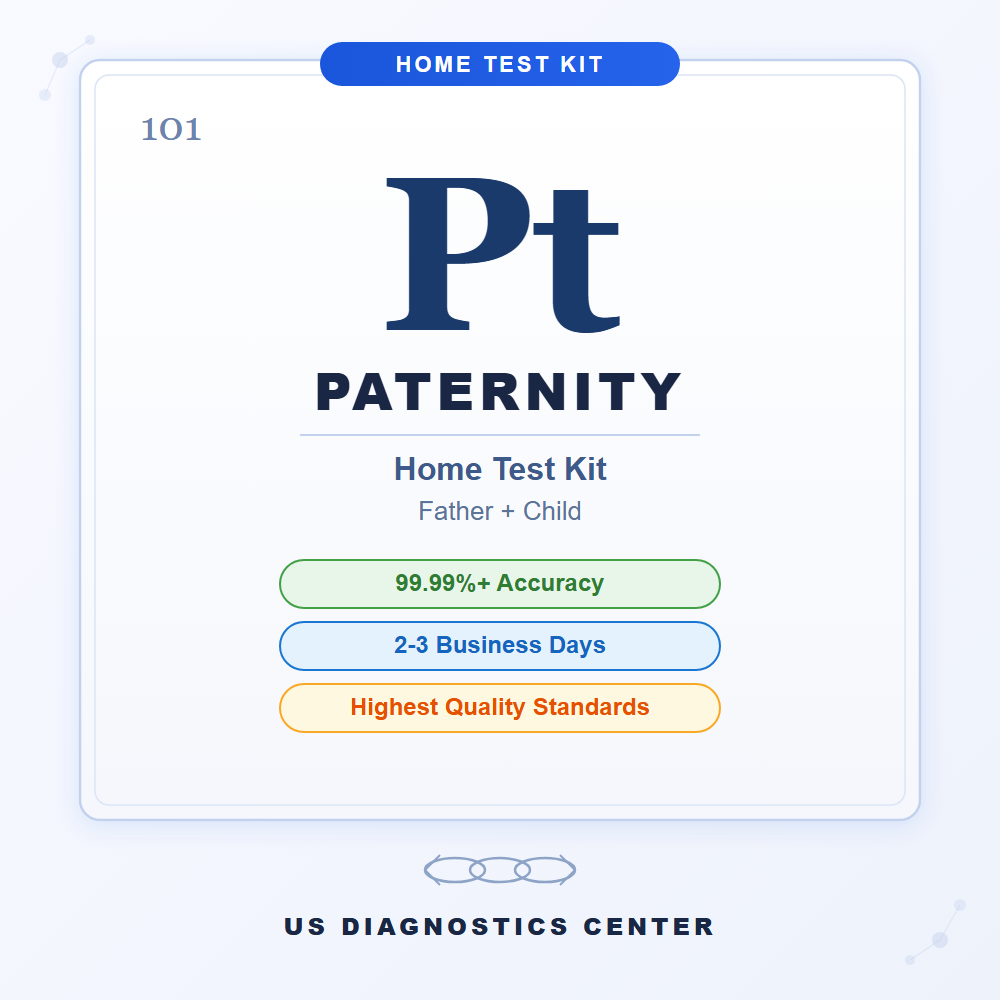
Paternity DNA testing holds the highest recognition and is essential for confirming if a man is the biological father of a child. This test involves collecting samples from both the child and the alleged father, typically via a non-invasive cheek swab. The accuracy of these tests is remarkable, often producing results that affirm paternity with a certainty of 99.99% if the results are positive.
Sibling and Grandparent DNA Testing Explained
Sibling DNA testing serves to verify if two individuals share the same biological parents, making it particularly useful when traditional paternity tests are not applicable or for half-siblings. On the other hand, grandparent DNA testing can help identify whether a grandparent is a biological ancestor, which is advantageous in situations where information about the parents might be missing or contested.
The precision of such tests largely copyrights on the number of genetic markers assessed and the specific relationships involved. Utilizing a certified lab for sample collection significantly boosts the reliability of the results. If you have uncertainties about which type of testing is most appropriate, it’s highly advisable to seek advice from a qualified expert.
The Testing Process: What to Expect
Engaging in relationship testing offers a straightforward and discreet approach to understanding familial connections. First and foremost, individuals must opt for a trusted testing provider. Post appointment confirmation, the next step involves sample collection — usually through a painless buccal swab taken from the inside of the cheek. While less frequently, blood samples may be required in specific situations. Once the samples are collected, they are forwarded to a certified laboratory for detailed analysis.
The testing results undergo comprehensive evaluation and typically become available within a timeframe ranging from several days to a few weeks, which ultimately copyrights on the laboratory's processing efficiency. Most testing services provide secure online access to the results, ensuring user privacy throughout the process. The final report details relationship probabilities, presenting a clear insight into the connections established among the individuals tested.
Understanding Costs and Choosing a Provider
When considering relationship testing, the cost can fluctuate greatly based on various factors, including the type of test, the provider, and where you are located. Basic paternity tests usually range from $100 to $500, while more intricate sibling or grandparent tests can go beyond that price point. It's important to evaluate not only the price but also the laboratory's accreditation, the dependability of their tests, and what previous customers have said in their reviews to choose the ideal provider.
Before finalizing your choice, consumers should seek clarity on the overall costs involved, encompassing any hidden fees that may apply for consultations or additional services. Certain labs provide financing solutions or payment plans to help manage expenses. Conducting a thorough search of customer reviews and confirming the lab's accreditations can also provide valuable insights into which laboratories consistently produce trustworthy results.
For more information on various DNA tests and their applications, you can check out the article on DNA relationship testing.
 US Diagnostics CenterUS Diagnostics Center guide
Frequently asked questions
What is relationship testing?
Relationship testing is a type of DNA test used to determine biological relationships between individuals, including paternity, sibling, and grandparent connections.
How do I choose a relationship testing provider?
To choose a provider, research their accreditation, read customer reviews, inquire about their testing processes, and consider the privacy measures in place.
How much does relationship testing cost?
The cost of relationship testing can vary significantly depending on the type of test; typical prices range from $100 to over $500, based on the complexity of the analysis.
How accurate is a paternity test?
A paternity test is typically over 99.99% accurate if paternity is confirmed, making it one of the most reliable forms of relationship testing available.
What samples are required for testing?
Most tests involve cheek swabs, although blood samples can be requested in some cases. The method of collection is simple and non-invasive.
Tips for Choosing the Right Testing Service
Selecting the right relationship testing provider is essential for accurate diagnostics and peace of mind. Verify various factors before making your decision.
- Check for accreditation with recognized bodies such as the AABB (American Association of Blood Banks).
- Ask potential providers about their testing methods and how results are validated for accuracy.
- Look for providers who offer post-test counseling to help interpret results and their implications.
- Prioritize companies with clear privacy policies and safeguards to handle your sensitive information.
- Consider the availability of online results and the overall convenience of the testing process.
Understanding relationship testing is crucial for anyone navigating familial uncertainty. With a variety of options available, individuals can easily find the path to clarity on personal connections. Reliable services and accurate results can make a significant difference in resolving disputes and establishing family bonds.
Ultimately, whether you're seeking paternity results or familial connections, approaching the topic with informed choices will lead to a more satisfying conclusion. Equip yourself with knowledge and support as you consider these important tests.